
REO Takes a Stand against Waste at SPS 2022

After a two-year COVID-19 hiatus, SPS took place in person in Nuremberg once again. REO concludes with a thoroughly positive assessment, having welcomed around 44,000 visitors: “We had many interesting discussions at our booth throughout all the days,” summarizes Jennifer Baatz, Branch Manager Kyritz at REO AG. “The joy of finally seeing each other again was clearly palpable.” Especially the opportunity to see products in reality, to hold them, and to directly engage in conversations with both technical advisors and REO managers had a completely new appeal after the virtual trade fairs of recent times. The fact that the fair recorded fewer visitors compared to the pre-COVID era was to be expected for REO, given the ongoing travel restrictions in Asia. Nevertheless, in some areas, a successful foundation was laid for exciting projects. Now it’s time to stay in touch and look forward to the upcoming SPS in 2023. It will take place again in Nuremberg from November 14th to 16th. Would you like to stay up-to-date with news and developments from REO? Then subscribe to our newsletter! Share the news: Also interesting
REO AG at the SPS in Nuremberg
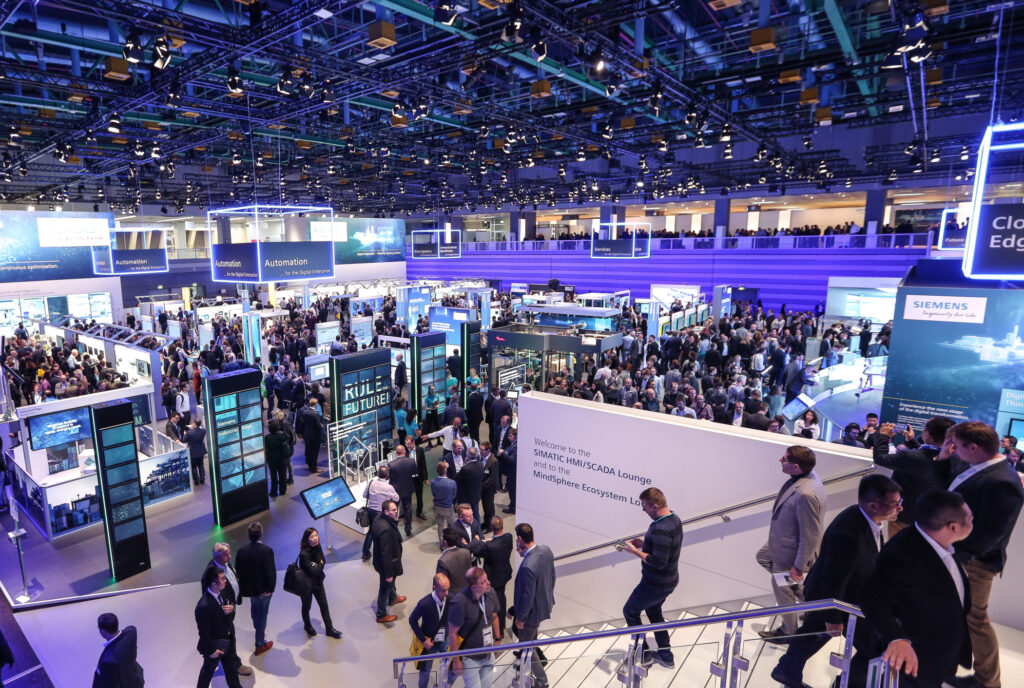
After a long break, we look forward to personal and exciting conversations with you at SPS 2022 in Nuremberg. Get to know our new and future-oriented chokes and EMC filter series. Talk to us about our new production methods – all in the spirit of sustainable energy and reduced CO2 emissions. In addition to the developments in drive technology, you can also expect a lot of new things from Vibratory feeder technology. Together with REO Digital Connect 4.0, we will present our latest innovations. Meet us at SPS 2022 in Hall 4 – Stand 148 from November 8 – 10, 2022 and join us in starting the future together. (Image: Mesago Messe Frankfurt GmbH / Malte Kirchner)
VISIT REO AT INNOTRANS 2022
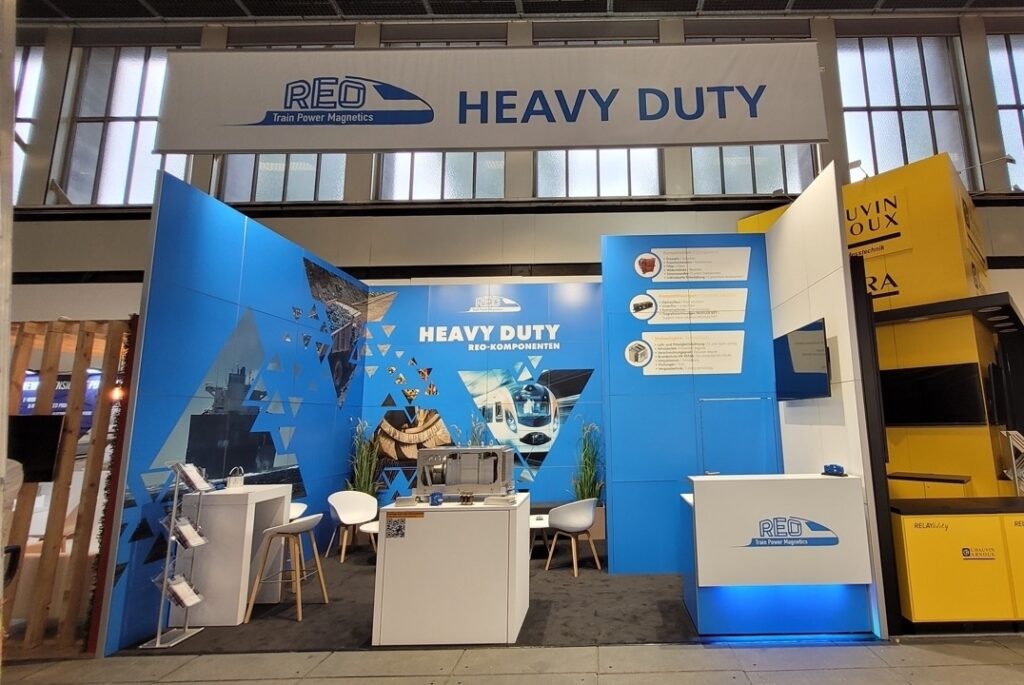
REO welcomes you under the motto HEAVYDUTY at Innotrans 2022! The Executive Board of REO AG and the division managers of the exhibiting departments today inaugurated the new exhibition stand at Innotrans 2022. In a modern design and with an appealing form language, the exhibition stand not only attracts attention, but also invites visitors to linger. Numerous exhibits, films and accompanying readings will give you a comprehensive insight into the world of REO. We look forward to your visit, interesting discussions and a lively exchange of ideas. You will find us in hall 17, booth 125
Visit REO at InnoTrans
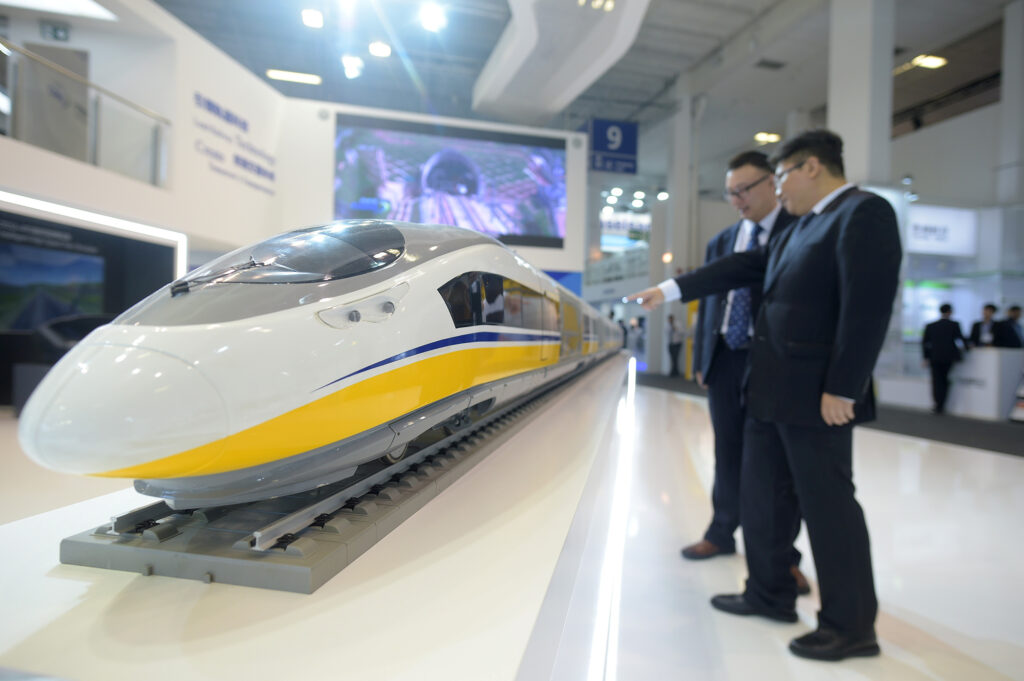
More world firsts than ever before await international trade visitors at InnoTrans from September 20-23, 2022. Around 250 world premieres will be presented by exhibitors from all over the world at the 13th leading trade fair for transport technology in Berlin. After the corona-related cancellations, REO is now looking forward to getting back into direct contact with visitors. In industry, components must operate reliably for many years under difficult environmental conditions. Resistance to extreme temperatures, pollutants such as salts, gases, coal dust, oil or brake abrasion is essential, for example. REO products are used worldwide under the harshest conditions – at over 40 °C in deserts or at -50 °C in mountain regions. Water, salt, corrosive media and mechanical influences such as vibrations or oscillations must not have a negative impact. REO components from the Heavy Duty range are specially designed for these environmental influences. Their special design ensures maximum protection against mechanical, chemical or biological influences and enables a high level of functional reliability and a long service life. One of the biggest trade fair highlights this year is the presentation of the MPS Moisture Protection System. The MPS Moisture Protection System developed by REO reliably and permanently protects your components from a variety of environmental influences. Learn more about REO’s exclusive protection systems and visit us at InnoTrans from September 20-23, 2022 in Hall 17, Stand 125.
REO Visits the Bergisch Chamber of Commerce and Industry
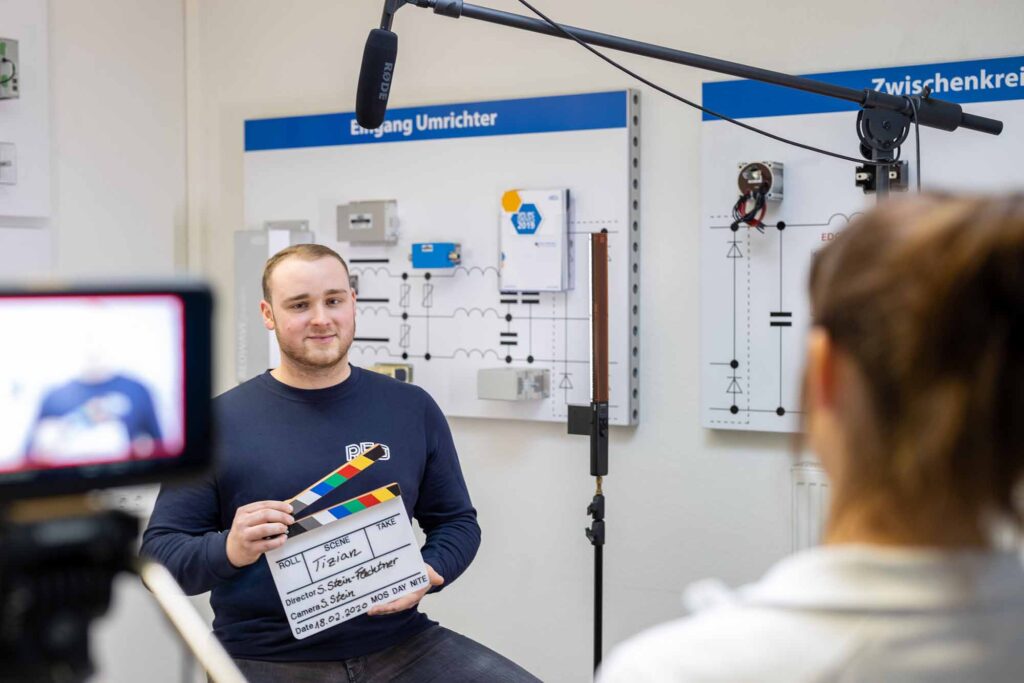
This week, REO was interviewed by the Bergisch Chamber of Commerce and Industry. Matthias Erdmann, Marketing Manager at REO AG, presented the latest developments in REO components and addressed future challenges. Erdmann emphasized that “mobility and energy (…) are the foundation of our modern world. Without them, the world stands still – as we are experiencing today with numerous supply bottlenecks. However, mobility and energy are much more than just two industries. Traditional classifications are increasingly breaking down in a more networked and holistic product world. This creates new application areas for our products, where electrification plays an increasingly important role.” The full interview, which also features other future-oriented and innovative companies such as Dirostahl, Robust Habicht & Heuser, and Vorwerk Autotec, can be found on the Bergisch Economy website at: https://bergische-wirtschaft.net/70-2547-transformation.html
Individual Development: Regulated Power Supply REOLAB
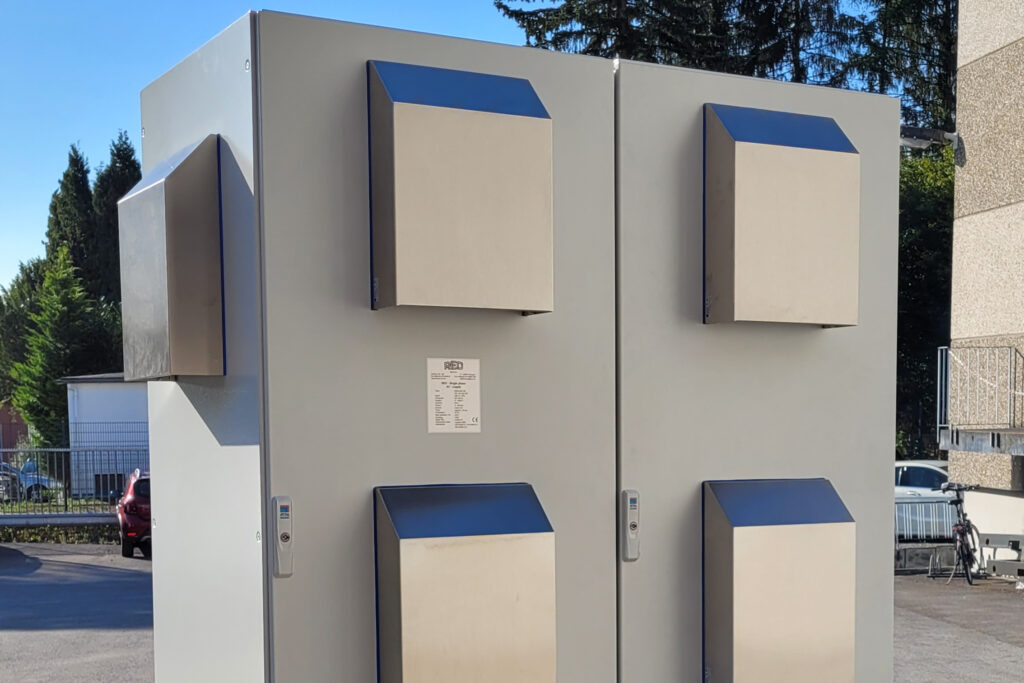
The regulated power supply REOLAB is a component of an AC high-voltage source that can be used for dielectric tests on high-voltage components – in accordance with IEC and ANSI standards. This allows for testing of, among others, Transformers, switchgear, bushings, insulators, connectors, or motors. In this special project, the mobile system is also to be operated outdoors under fair-weather conditions. If it starts to rain, however, the system cannot be switched off immediately, or it simply takes time for the test object to discharge. For this reason, the degree of protection in this version has been significantly increased compared to the standard version in order to meet the higher requirements.
The Future of Mobility in Sports

Copyright | gstockstudio | elements.envato.com | 3GUFG5B From podiums made of recycled plastic at the Tokyo Olympics to the promotion of Formula E, it is clear that the sports industry is focusing on more sustainable approaches. This also applies to golf, where electric golf carts are a more environmentally friendly alternative to trolleys with combustion engines, as they have a lower CO2 footprint and reduce noise pollution. Steve Hughes, Managing Director of REO UK, explains how electric golf carts could revolutionize e-mobility in sports: Golf carts powered by combustion engines have been around for decades. However, there is currently a shift towards their electric counterparts. According to a report by Motocaddy, the world’s largest seller of golf carts, the global market for electric trolleys will reach a volume of around 174 million euros by 2030. This corresponds to an increase of +44 percent since 2020. For golfers, one of the biggest reasons for switching to an electric golf cart is an increased awareness of environmentally friendly golf. Since there is no combustion engine, no gas tank and no exhaust fumes, electric carts do not cause any harmful emissions. In contrast to gas-powered vehicles, electric carts run silently, which reduces the risk of noise pollution, especially in large golf facilities. Types of golf carts in transition In the past, golf carts were often powered by small, loud and smelly gasoline engines that required similar maintenance to road vehicles, even if they were only operated off-road. As technology has advanced, lead-acid batteries have become increasingly popular, solving some of the problems of gasoline engines. However, they are still very heavy and have poor battery performance. Frequent charging and discharging stresses the battery, which means it needs to be replaced every three to four years. Modern lithium-ion batteries, as used in the automotive industry, are significantly changing the possible applications. They are around 60 percent lighter than lead-acid batteries, cheaper to maintain and retain their ability to deliver voltage even when the battery is low. These properties improve acceleration and uphill performance. Design of electric carts Electric carts are often driven hard and rather recklessly, which can lead to collisions with other carts or trees. This means that the components of an electric cart must meet the same high requirements for shock and vibration resistance as those of other electric vehicles. In addition, the carts are usually used in all weather conditions, which means they must also withstand extreme weather, temperature and corrosion conditions. To ensure that electric vehicles are sufficiently robust and that the regenerative effect of the motor-inverter combination does not cause problems with the electronics, excess energy is often directed into a braking resistor. These resistors are essential for the safe monitoring of battery performance during discharge. This occurs, for example, during heavy braking while driving on a steep downhill section of a golf course. REO has developed the BW155 series Resistors, which offer a variable load bank that can be programmed for discharging battery power up to 130 kW. These Resistors can temporarily handle overloads of more than 20 times the nominal power, with their internal windings being double-insulated. This ensures that even in the event of an overload, a fail-safe mechanism is in place to protect the components. Battery-powered golf carts are an important step towards a more sustainable sports industry. The sustainable production of electricity is also important. Local solar panels or wind turbines installed on the golf course could supply the electricity needed. The golf cart itself also has a future: We can imagine various applications, such as for maintenance of large facilities, for transportation on a campus or as a more sustainable option for trips in the neighborhood.
Sustainability and Electric Drives – Two Inseparable Concepts for REO
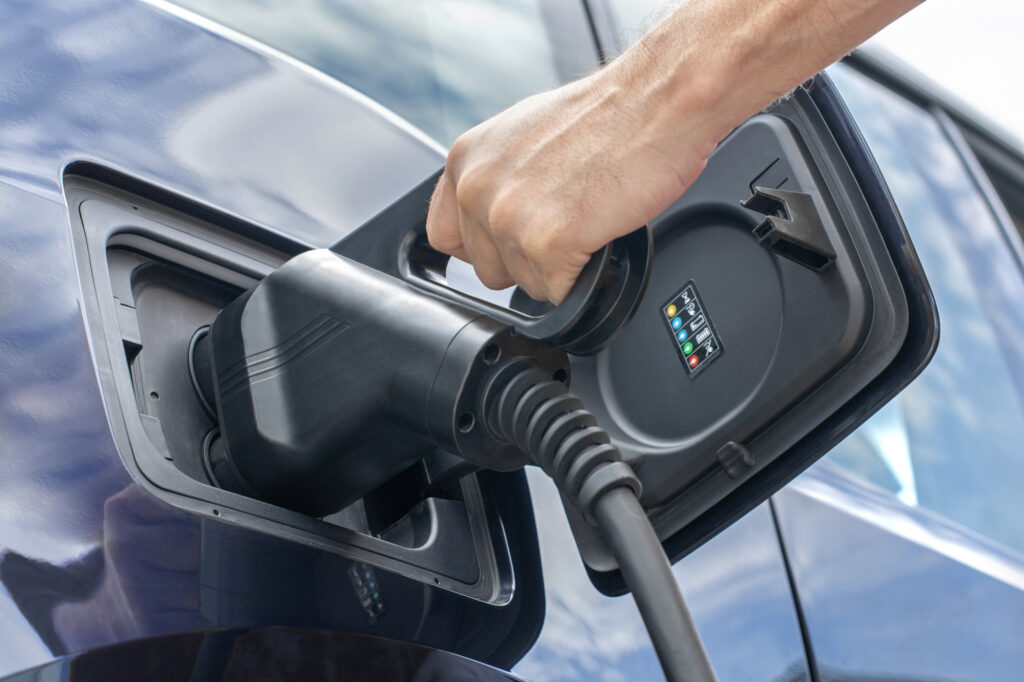
We are consistently expanding our range of components for the electrification of mobility. A strong focus is placed on innovative production processes, efficient workflows, and continuous development. We remain true to our almost 100-year tradition and are convinced of the advantages of electric drives. This is because electric drives have a very good efficiency compared to conventional drive types, such as the internal combustion engine. At the same time, electric drives offer advantages such as energy recovery during braking, lower noise development, a simpler design, and they cause no local emissions. In addition, there is a longer service life, virtually maintenance-free, safe operation, and lower costs – provided the components are of high quality. To ensure this quality, extensive quality checks and the application of highly developed analysis methods are at the forefront of our product development and improvement. Today, we offer specialized braking resistors, chokes, power filters, and current transformers for almost all means of transportation, from cars and trucks to ships and airplanes. In practice, the progress towards electric drives is particularly evident in urban transport companies. Gradually, many companies are replacing diesel-powered buses with buses with electric drives. However, the enormous technical effort required for trouble-free operation often remains hidden. This is because the long cables and electrical components in particular can lead to radio interference. REO therefore offers all manufacturers of electric buses special EMC filters or chokes from the new N CNW series to eliminate interference in the vehicles. We are on the way to sustainable and clean mobility – with components from REO.
New: our “REO Newsflash” Newsletter

The first editions of our new newsletter format, “Newsflash”, have been published. Every month, we will now send you e-mail updates on news at REO and in our product range, as well as developments in the industry. The first issues included reports on the cooling options for railway components, the technological possibilities of protecting sensitive components from environmental influences, and how REO contributes to ensuring that patients can be treated safely. With the new newsletter, we would like to give you the opportunity to delve even deeper into the world of REO. At the same time, you will learn interesting facts and news about the production of inductive, resistive and electronic components and complete solutions. The thematic focus is on the fields of drive and railway technology, medical, testing and conveyor technology, and power electronics. Are you interested in the new, free newsletter from REO AG? Then sign up now!
Liquid Cooling – Longer Service Life and High Reliability
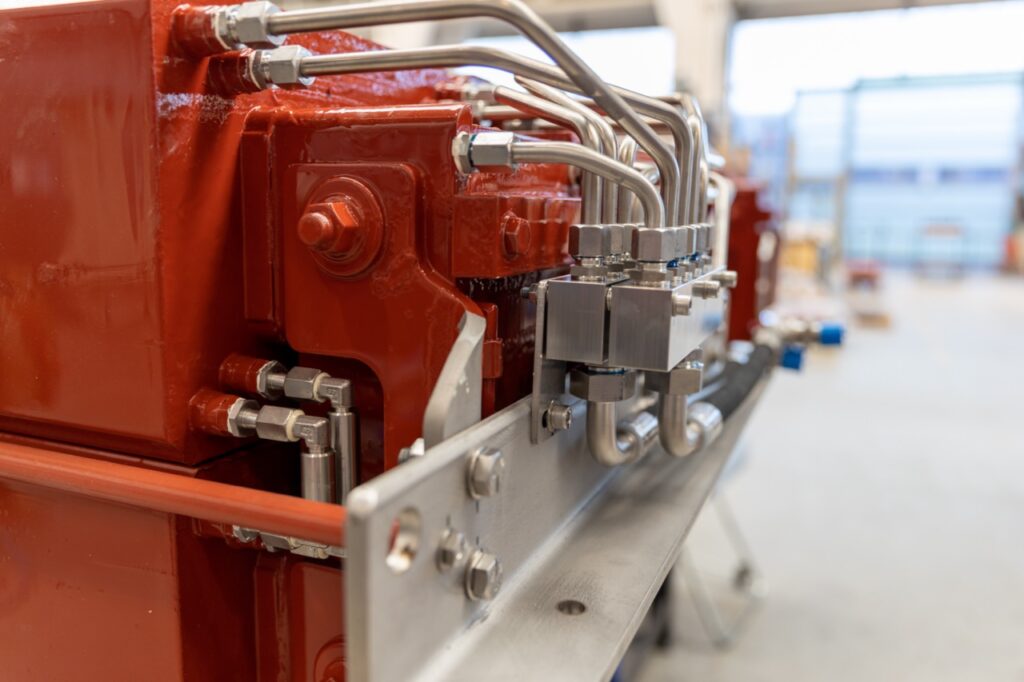
The air cooling of electrical components is often limited, especially when the component needs to be very compact. To continue guaranteeing the best possible cooling, a wide range of inductive and ohmic components from REO are equipped with liquid cooling. These include liquid-cooled resistors and Chokes. Liquid cooling not only enables optimum temperature behavior of the component, but also promotes performance and ensures a longer service life for the components. The entire body of the component remains at an optimum temperature even under full load. The initially higher investment costs for the liquid cooling technology are quickly compensated for by a wide range of advantages. First of all, this technology makes it possible to use it in confined spaces where, due to design or protective measures against environmental influences, there is little or no supply and exhaust air. This is because the liquid-cooled components have a significantly smaller size with a high cooling capacity at the same time due to fewer cooling fins. The high efficiency goes hand in hand with a lower noise level, as loud, active fans are not necessary. The advantage increases the higher the ambient temperature. In this case, a technology based on air cooling would very quickly reach its thermal limits and, in contrast to water cooling, lead to a reduction in performance. This is because it is not possible to cool the component below the ambient temperature. The effective dissipation of heat through liquid cooling, on the other hand, leads to a constantly high output and a cooling capacity that can lower the temperature below the ambient temperature. Another effect of liquid cooling is the lower housing temperature, so that operating personnel are not exposed to any risk of burns and the waste heat does not interfere with other components. As a result, REO products can also be used in industrial applications where assemblies with low surface temperatures are required, such as in the wood and textile industries or in explosion-proof environments. The lower temperature also protects the installed components and extends the service life of the system.